

SpaceX has officially been listed for one week now, and it’s been on quite the ride. The company went public last Friday, surging higher in its first few days of trading, briefly jumping Microsoft to become the fourth-largest company in the world at nearly $2.94 trillion. It has cooled somewhat since, but still sits nearly 37% above its $135 IPO price, partly thanks to the retail investor frenzy.
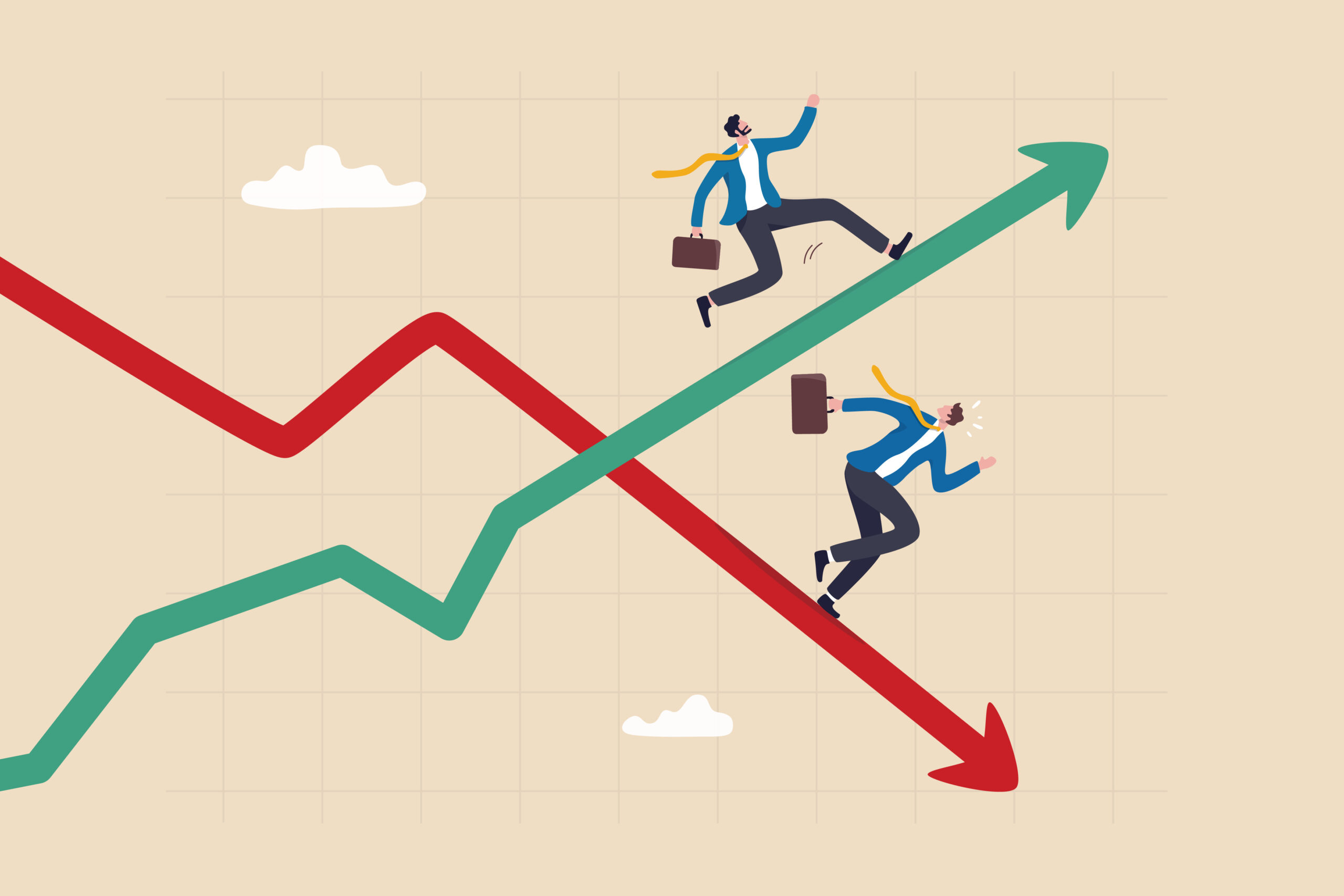
While the excitement is understandable, the history of mega-IPOs offers a meaningful counterweight to the hype. Data shows each of the ten largest U.S. IPOs since 1999 had a negative return one year after going public, with an average loss of 26.5%.

The trend extends further as research on traditional IPOs from 2010 to 2020 shows underperformance relative to the broader market tends to deepen over the intermediate term. While there can be an initial pop in a high-profile debut, nearly two-thirds of IPOs lag their benchmark index by the three-year mark.

Looking beyond the general trends of IPOs, the underlying fundamentals of SpaceX also give some reason for pause. At its current valuation, investors are paying roughly 133 times revenue per share. This is far above what’s typical for even AI or satellite companies. The average price-to-revenue of the Nasdaq 100 sitting around 7x currently, which is near its historical high.
While Elon Musk sees the company making $1 trillion in revenue by 2030, it would be a long shot from last year’s $18.7 billion, and it would need to happen in commercially viable fashion. Despite strong growth in recent years, the company posted a net loss of $4.9 billion for 2025, largely due to heavy strategic investments and operational losses from the AI division. SpaceX is the only company among the 4-comma club that lost money last year.
None of this is to say SpaceX can’t succeed. It may well prove the historical pattern wrong. However, it’s important to understand the company remains speculative for now. The market is pricing in outcomes that haven’t happened yet, at a scale that has rarely been achieved. That’s a lot of uncertainty to price in, and a lot of noise to tune out. Whatever unfolds, the investors most likely to come out ahead aren’t the ones who timed the trade perfectly. They’re the ones who stayed disciplined, stayed diversified, and let their plan do the work.
– The Aspire Wealth Team
June 2026 Market Update Video