


Just like that, we’re already halfway through the year. As the saying goes… time flies when there’s a fresh geopolitical headline every morning.
It was a mixed month for markets as economic data continued to send conflicting signals. The labor market added more jobs than expected, offering a bright spot. However, inflation ticked higher for a third straight month, reaching its highest level since April 2023. Consumer sentiment saw a slight rebound from its record low as gas prices moderated, but confidence remains near historically low levels.
The AI-driven tech rally took a bit of a breather in June, giving other segments of the market some room to shine. Smaller companies led the way with the CRSP US Small Cap Index climbing 3.50%, while the Dow Jones Industrial Average gained 2.71%. The Nasdaq 100 and S&P 500 lagged behind, slipping 0.12% and 0.95% respectively, as some of the year’s biggest tech winners cooled off. As a whole, value outpaced growth as a style for the month.
International markets were relatively quiet, with developed international stocks and emerging markets each dipping 0.20%. While modest, the pullback was broadly in line with the tone seen across US markets.
Interest rates found more stable footing after a volatile stretch, with the 10-year Treasury yield essentially flat, dipping from 4.45% to 4.44%. This helped aggregate US bonds edge higher, posting a gain of 0.24%. The Fed held rates steady at its June meeting, but there’s still some uncertainty regarding the the path forward. Expectations have shifted in recent months, with markets now leaning more toward the possibility of a rate hike later this year rather than the cuts many had anticipated earlier on.
As we close the books on the first half of 2026, it’s been clear markets don’t follow a straight line, and the back half may bring its own share of twists and turns. Shifting sector leadership, sticky inflation, and evolving rate expectations are all reminders that conditions can change quickly. Staying anchored to a well-diversified, long-term investment strategy remains the best way to navigate whatever the back half of the year has in store.
In case you missed it SpaceX went public in June, and it was sort of a big deal (literally).
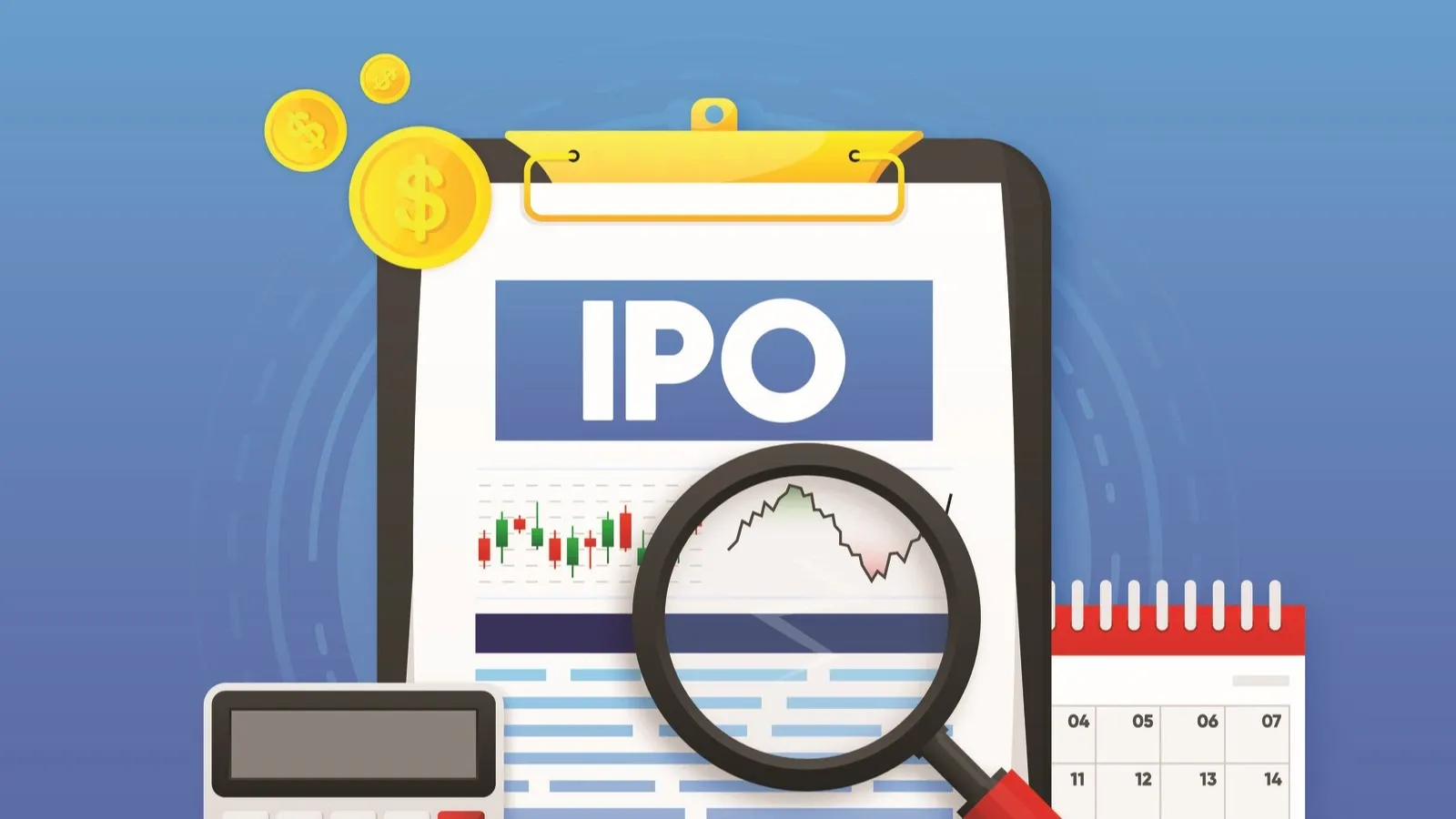
The rocket, satellite, and AI company priced shares at $135, valuing it at $1.77 trillion and making it the largest IPO in history.
Founded in 2002, SpaceX spent more than two decades building itself into a dominant force in commercial spaceflight. Its reusable Falcon 9 rockets now handle the bulk of the world’s satellite launches.
It was a wild first couple of weeks for the stock as SpaceX was briefly propelled to the fourth-largest company in the world before coming back down to Earth and settling near where it opened.
SpaceX likely won’t be the only mega-IPO for long as both OpenAI and Anthropic have confidentially filed paperwork for their own IPOs, with talks of valuations approaching $1 trillion.
Investors are just hoping Skynet isn’t next in line.
Fitting into smaller clothes is a win for shoppers, but it’s creating a costly headache for retailers.
As more Americans use GLP-1 drugs to shed pounds, they’re also shedding their old wardrobes, and retailers are footing the bill for the trial and error that comes with it.
Return-management firm Narvar found apparel exchanges tied to shoppers sizing down have climbed steadily over the past few years. More broadly, the total value of merchandise returns across retail has roughly doubled between 2020 and 2025.
While shopping sprees are generally good for retailers, more frequent returns have been chipping away at those profits. Returned items often can’t be resold at full price, and stores are left absorbing the extra shipping and labor costs.
For now, it’s shaping up to be one of the more unexpected side effects of the GLP-1 boom, as smaller waistlines create bigger return bins.
Broad Market Returns
| Asset Class | 1 Month | 3 Month | YTD | 1 Year |
| S&P 500 (VOO) | -0.96% | 15.27% | 10.18% | 22.34% |
| NASDAQ (QQQ) | -0.15% | 27.73% | 20.16% | 34.14% |
| Large Cap Growth (VUG) | -3.75% | 18.46% | 6.18% | 18.40% |
| Large Cap Value (VTV) | 3.38% | 11.62% | 15.30% | 25.88% |
| Small Cap Growth (VBK) | 2.95% | 21.12% | 21.31% | 32.70% |
| Small Cap Value (VBR) | 3.94% | 12.35% | 15.91% | 27.07% |
| Developed International (VEA) | -0.20% | 11.77% | 14.85% | 28.59% |
| Emerging Markets (VWO) | -0.20% | 10.57% | 11.16% | 23.84% |
| REITs (VNQ) | 1.65% | 9.67% | 11.11% | 12.47% |
| Aggregate Bonds (BND) | 0.27% | 0.70% | 0.75% | 3.69% |
| Corporate Bonds (VCIT) | 0.17% | 1.11% | 0.66% | 4.51% |
| High Yield Bonds (JNK) | 0.13% | 2.34% | 1.90% | 5.79% |
| Long Term Treasuries (VGLT) | 1.01% | 0.87% | 0.78% | 2.84% |
| International Bonds (BNDX) | 0.44% | 1.50% | 1.38% | 2.23% |
Market Health Indicator
The Market Health Indicator (MHI) measures market health on a scale of 0 – 100, analyzing various market segments such as economics, technicals, and volatility. Higher scores indicate healthier market conditions.

Fun Facts
- Americans eat around 150 million hot dogs on the 4th of July, which is enough to stretch from Washington D.C. to Los Angeles five times.
- The oldest dog who ever lived was an Australian cattle dog named Bluey, reaching 29.5 years old.
- Thanks to a microclimate over the Tiwi Islands, a thunderstorm named Hector arrives at 3pm everyday from September through March.
- In 1897, Tennessee-based dentist William Morrison teamed up with confectioner John C. Wharton to invent the cotton candy machine.
– The Aspire Wealth Team
What History Shows About IPOs