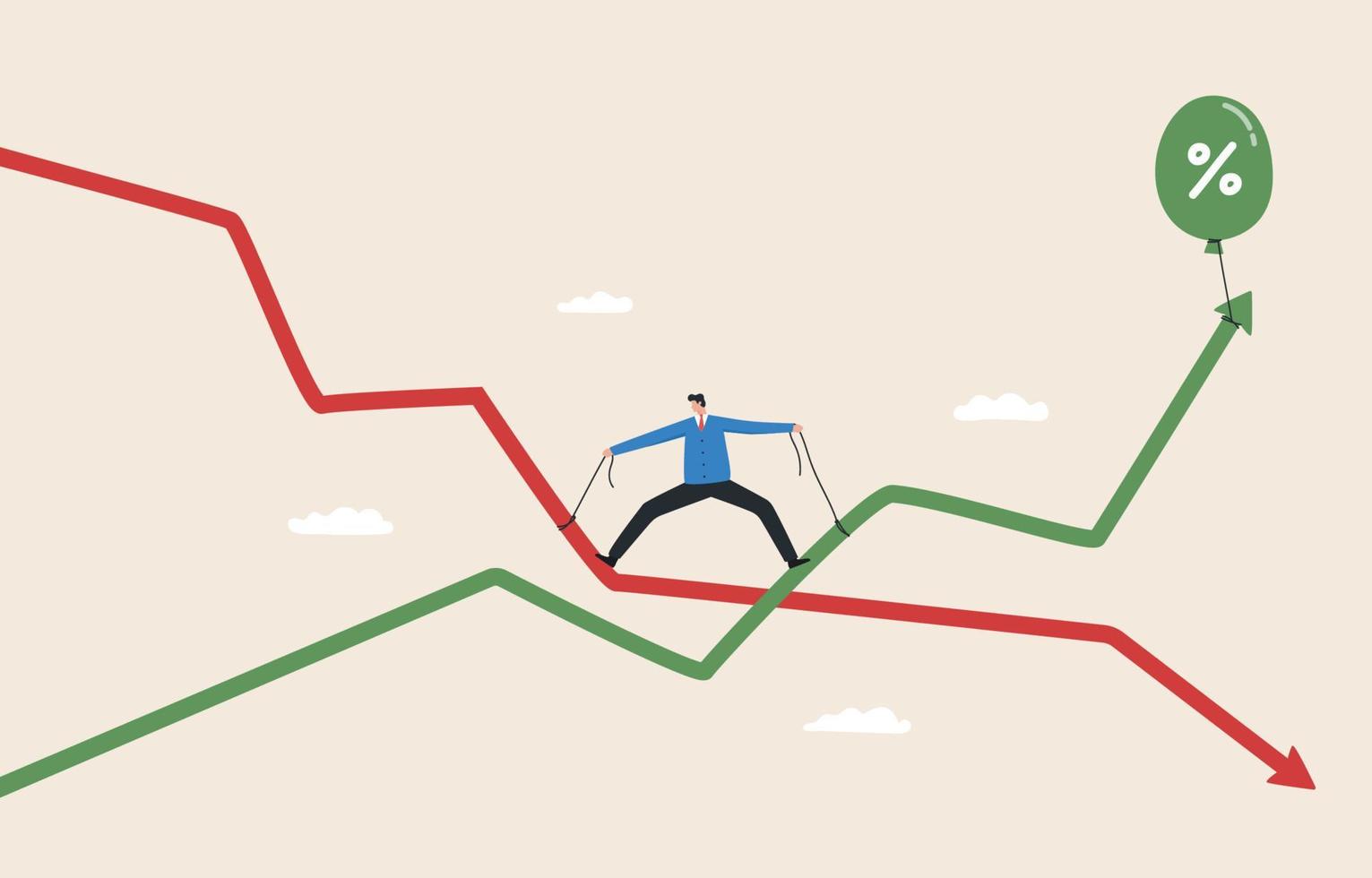


Last week, the Fed voted unanimously to raise its benchmark rate by a quarter point, to a target range of 3.75% – 4%. This was the first rate hike since July 2023, sending the 10-year Treasury yield to 5%.
While the decision wasn’t necessarily surprising, with markets anticipating a move higher, it was somewhat of an unusual reversal. Following a sequence of cuts in 2024 and 2025, the Fed has now resumed hiking rates before reaching a neutral range. Investors expect one more hike later this year, while the Fed’s projections showed 16 of 18 officials expecting at least one more increase.
With rates poised to stay higher for longer, it’s important to consider both the pros and cons.
Some of the pain points to be expected with higher rates include:
More pressure on housing. Mortgage rates tend to track longer-term Treasury yields, so a 10-year yield near 5% makes an already tight housing market even tighter. Buyers face higher monthly payments, and homeowners with low-rate mortgages have even less reason to sell and give up their rates, which keeps inventory scarce.
Higher borrowing costs across the board. Borrowing to buy a car or carrying a credit card balance gets more expensive as rates move higher. The same goes for businesses financing expansion or refinancing debt. That’s the point, since higher rates are meant to cool demand, but it generally slows down consumers and businesses.
Near-term pain for bonds. Bond prices and yields move in opposite directions. When rates rise, newly issued bonds pay more, so existing bonds with lower coupons become less attractive and their prices fall until their yields catch up with the market. This can result in increased volatility for fixed income investors for the piece of the portfolio that traditionally provides more stability.
However, there are some silver linings to be found with higher rates as well:
Lower inflation. This is one of the main intentions behind the hike. The Fed says the move is meant to help bring inflation back toward its 2% target more quickly. Tighter policy can be painful in the short run, but getting inflation under control is good for everyone’s purchasing power over time.
Corporations and the economy remain relatively healthy. The Fed is raising rates from a position of strength, not weakness. Corporate America just posted one of its best quarters in years, and S&P 500 earnings are growing at their fastest pace since 2021.

The labor market is holding up too. Unemployment was 4.1% in August, unchanged from July, with 162,000 jobs added. That resilience is what gives the Fed room to tighten. A strong economy is better equipped to absorb higher borrowing costs than a fragile one.
Better long-term returns for bonds. While rising rates can cause near-term pain for bonds, starting yields are one of the best predictors of future bond returns. Aggregate US bonds now yields more than 5%, compared with under 3% for much of the 2010s and under 2% in the early 2020s, which is a good thing for investors going forward.

The higher income also helps cushion price declines. Despite the 10-year yield rising from about 4.2% to 5%, the US Aggregate Bond Index is only down around 1% year-to-date (compared to a loss of more than 13% in 2022).
Higher rates can cut both ways. Borrowers and homebuyers feel the pinch, but savers and fixed-income investors are earning a more attractive yield now. Nobody knows exactly where rates go from here. Another hike looks likely this year, and 2027 is anyone’s guess. While rate cycles come and go, what matters most is having a long-term plan to handle either direction.
– The Aspire Wealth Team

September 2026 Market Update Video